
Maintaining a lush, green landscape in Southern California requires more than just occasional watering; it requires a strategic approach to hydration. For many homeowners and property managers, the first question that arises when planning a landscape upgrade is: How much does an irrigation system cost?
An efficient system is vital for plant health, especially given our local climate. By automating the process, you ensure your garden receives the precise amount of water it needs without waste. Let’s dive into the factors that influence the total price of professional Irrigation Installation.
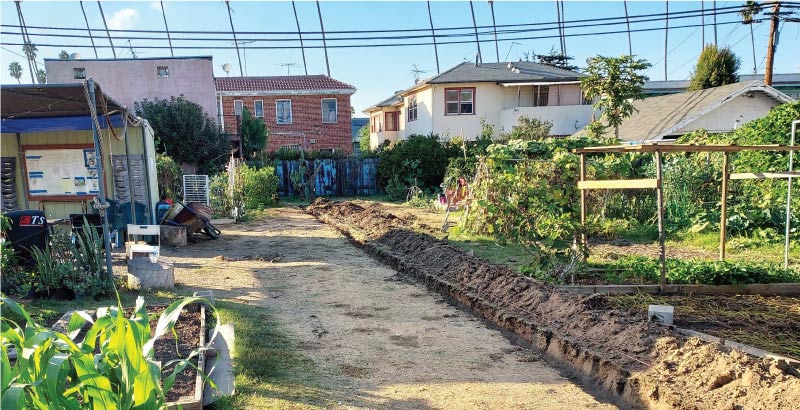
Average Cost Breakdown
On average, a residential irrigation system in the Los Angeles area can range from $3,000 to $6,000 for a standard quarter-acre lot. For larger commercial properties or complex estates in areas like Palos Verdes or Malibu, these costs can increase based on the scope of work.
When asking how much does an irrigation system cost, it is important to remember that you are paying for both high-quality components and expert labor. Professional installation ensures that the system is built to last and complies with local water regulations.
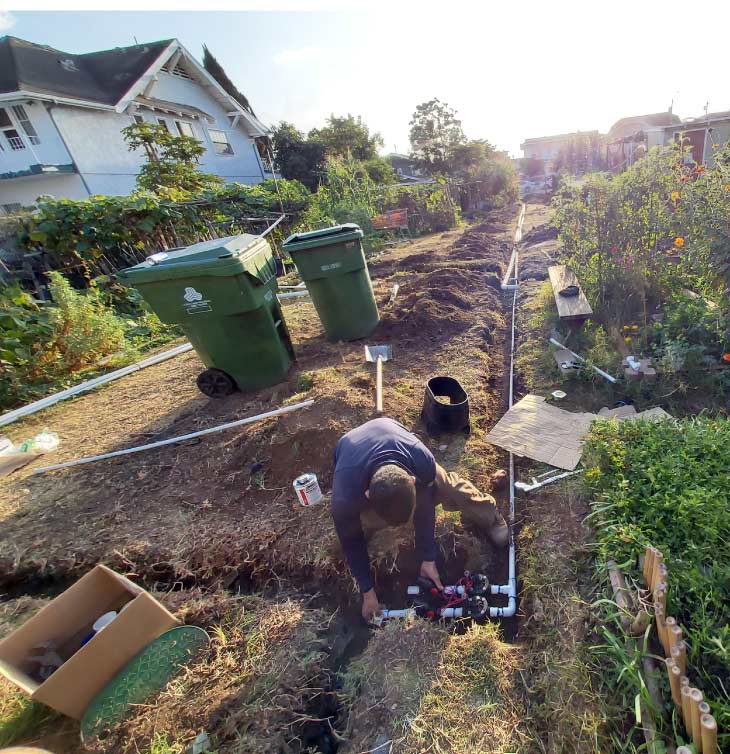
Key Factors Influencing Irrigation Costs
The price of a new system isn’t a one-size-fits-all figure. Several variables play a significant role in determining the final estimate for your property.
- Property Size: Larger yards require more piping, more sprinkler heads, and more labor, naturally increasing the price.
- Number of Zones: Landscapes with diverse plant life—such as a mix of lawns and flower beds—require separate zones to deliver different water volumes.
- Soil Quality: Hard, rocky, or clay-heavy soil is more difficult to trench, resulting in higher labor costs compared to sandy or soft soil.
- System Type: Choosing between traditional rotors or a specialized Drip Irrigation System will impact the material costs.
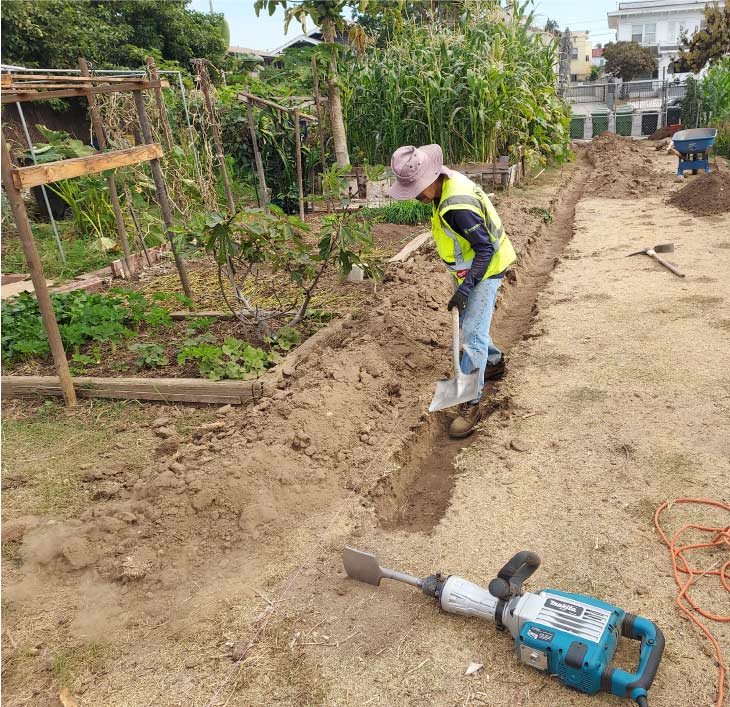
The Value of Different Irrigation Methods
Not all watering systems are created equal. Modern technology allows for highly specialized setups that can actually save you money on your water bill over time.
Traditional Sprinkler Systems
These are excellent for large lawn areas. They provide even coverage and are highly effective for keeping grass green. However, they can be prone to evaporation if used during the heat of the day.
Drip Irrigation Efficiency
If you have many trees, shrubs, or delicate garden beds, drip irrigation is often the best choice. This method delivers water directly to the root zone, significantly reducing runoff and water waste. This is a key component of modern Landscaping Services.
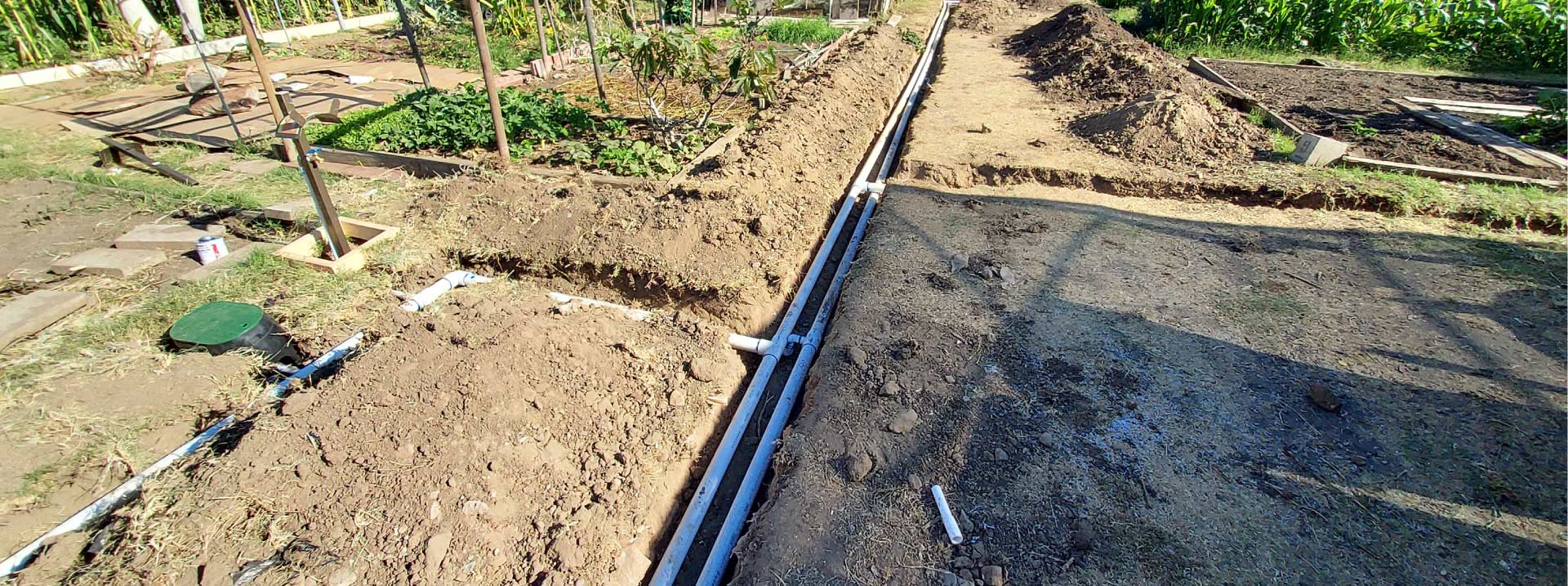
Long-Term Savings and ROI
While the initial price tag is a factor, an automated system is a long-term investment. It increases property value and prevents the costly replacement of dead plants and sod. A well-designed system prevents overwatering, which can lead to fungal issues or soil erosion.
Furthermore, choosing the right system can make you eligible for local incentives. Many residents in Los Angeles take advantage of the Turf Replacement Rebate program, which encourages drought-friendly landscapes and efficient watering.
Maintenance and Repairs
To protect your investment, regular maintenance is required. This includes winterizing the system or performing a Sprinkler Repair if a head becomes damaged or clogged. Keeping your system in top shape ensures it continues to operate at peak efficiency for years to come.
The EPA’s Watersense guidelines provide excellent resources on how to maximize water efficiency in your home landscape. Following these standards can help you lower your environmental footprint while maintaining a beautiful yard.
About Nitrogen Landscapes
Nitrogen Landscapes is a licensed contractor serving the Greater Los Angeles area, including Santa Monica, Hollywood, and Pasadena. Founded by Luis Navarro, we bring over 17 years of industry experience to every project, focusing on integrity and professionalism.
We specialize in everything from commercial maintenance to complex Irrigation solutions and stormwater management. Our goal is to provide catchily-named, high-quality service that keeps your landscape thriving year-round.
Frequently Asked Questions (FAQs)
Does a sprinkler system add value to my home?
Yes, a professionally installed irrigation system increases “curb appeal” and overall property value. It signals to buyers that the landscape has been well-maintained and automated for convenience.
How long does it take to install a new irrigation system?
For most standard residential properties, installation typically takes between two and four days. Larger commercial projects or difficult terrain may require a week or more to complete.
What is the best time of day to run my sprinklers?
The best time to water is in the early morning, usually between 4 AM and 8 AM. This allows water to soak into the soil before the sun causes significant evaporation.
How often should an irrigation system be serviced?
It is recommended to have your system inspected at least twice a year—once in the spring to start it up and once in the fall to ensure it is ready for the cooler months.
Can I install an irrigation system myself to save money?
While DIY kits exist, professional installation is recommended to ensure proper water pressure, correct zoning, and compliance with local building codes and backflow prevention requirements.